

Introduction
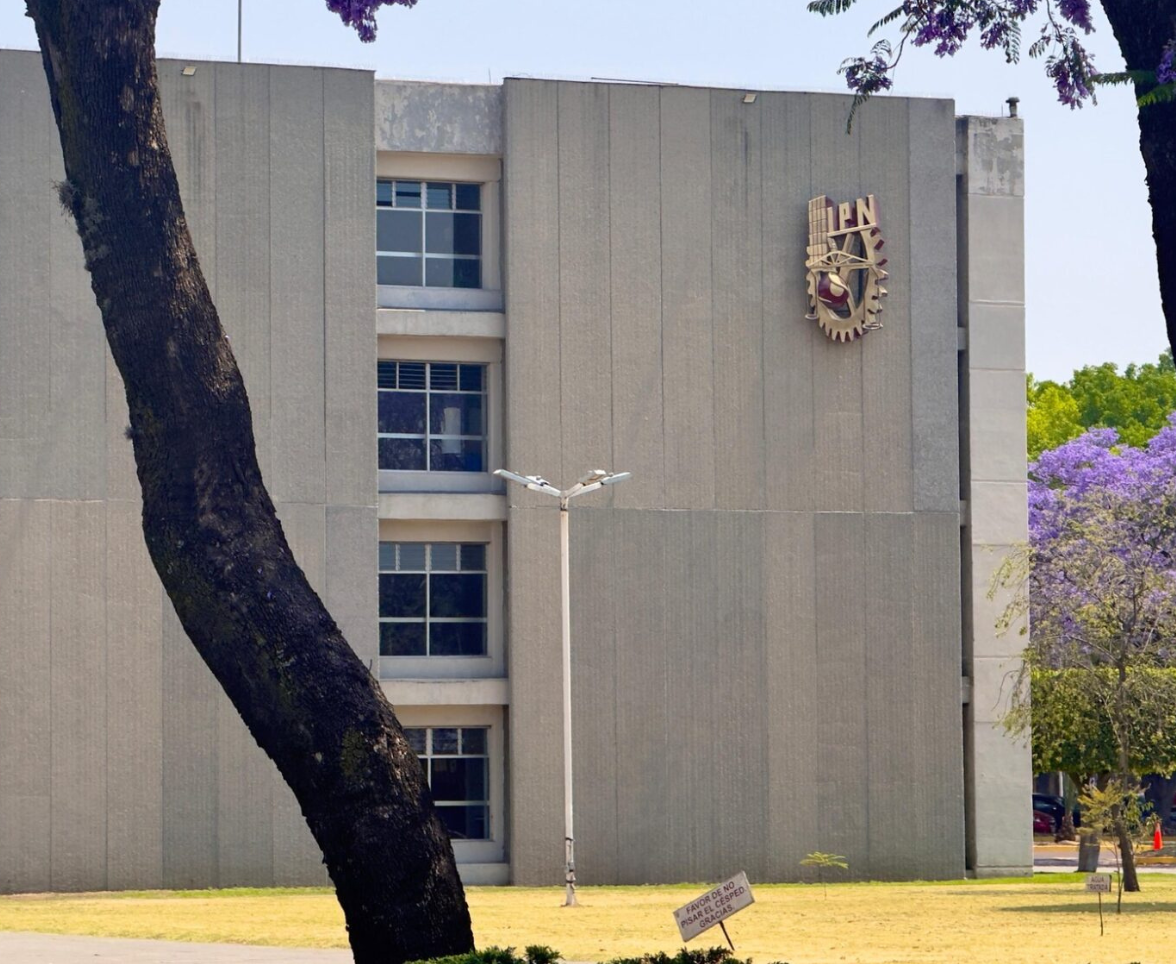
El Instituto Politécnico Nacional de México (IPN) has a long-standing tradition of research and technological development, supported by several specialized research groups across its academic units. Among them is El Grupo de Ingestigación y Producción de Software Educativo (GIPSE), which later evolved into El Grupo de Educación en Informática Educativa (GIIE).
Within this context, GIIES sought to strengthen its institutional presence through a modern website aligned with its academic vision. As the developer and consultant for the project, I led the planning, workflow design, and implementation of a platform that consolidated its digital identity and improved communication with its community.
The Core Problem
Before the project began, GIIES did not have a digital platform that accurately represented its institutional identity or supported its academic communication needs. The group required awebsite that aligned with its vision, reflected its evolution within El Instituto Politécnico Nacional de México (IPN), and provided a clear, accesible space for students, researchers and collaborators.
The core challenge was to create a structured and professional websote capable of strengthening GIIES's presence and serving as a reliable channel for sharing information and supporting its community.
Discovery & Research
Stakeholder Research.
To understand the institotional needs of GIIES, I conducted conversations and requirement-gathering sessions with members of research groups.
Findings:
- The group needed a website aligned its academic vision and institutional identity.
- Existing communication channels were fragmented , limiting visibility and outreach.
- Members required a structured space to present research, publications, and academic activities.
Institutional Benchmarking.
I analyzed websites from other research groups within El Instituto Politécnico Nacional (IPN) and similar academic institutions.
Insights:
- Strong institutional sites emphasized clarity, academic credibility and consistent visual identity.
- Most platforms prioritized accesibility , simple navigation and well-organized research content.
- A unified structured for publications, projects, and team information was a common standard.
Information Architecture Mapping .
To define the structure of the new website, I mapped the content needs and use flows.
Outcomes:
- Identified essential sections such as research lines, publications, team profiles, and institutional history.
- Removed redundant or outdated content to streamline navigation.
- Desgined a clear hierarchy to support both academic audiences and general visitors.
Strategy
The strategy for developing the GIIES website focused on creating a platform that accurately respresented the group's academic identity while improving clarity, accesibility, and communication. To achieve this, I designed a structured workflow that aligned institutional requirements with user-centered design principles.
Key Strategy Pillars.
1.- Institutional Alignment.
Ensured the website reflected the values ,vision, and academic purpose of GIIES, maintaining consistency with the broader identity of El Instituto Politénico Nacional de México (IPN).
2.- Clear Information Architecture.
Developed a content structured that prioritized simplicity and logical navigation, allowing users to easily access research lines, publications, team information and institutional history.
3.- User-Centered Design.
Focused on the needs of students, researchers, and collaborators by creating an accessible, intuitive interface that supported academic communication and visbility.
4.- Scalable Workflow and Proccesses.
Established a development workflow, that included planning sessions, content validation, and iterative reviews with stakeholders to ensure accuracy and aligment throughout the project.
5.- Communication and Transparency.
Maintained continous collaboration with GIIES members through structured updates, feedback, loops, and clear communication to support decision-making and project clarity.
Key Deliverables
The development of GIIES website resulted in several key deliverables designed to strengthen institutional identity and improve communication.
- Final Website Platform - A fully structured institutional website aligned with GIIES's academic vision, featuring organized sections for research lines, publications, team profiles and institutional history.
- Information Architecture & Content Structured - A clear, scalable architecture that simplified navigation and ensured user could easily access revelant academic content.
- Design System & Visual Guidelines - A consistent visual framework inspired by institutional standars, including typography, ensuring transparency and aligment with stakeholders strengthen the project.
- Interactive Prototypes & Review Sessions - Low and high-fidelity prototypes used to validate structure and usability with GIIES members, refining the platform before implementation.
Results
The launch of GIIES website significantly strengthened the group's digital presence and improved the way institutional information is communicated. By implementing a clear structure, modern desing, and user-centered workflows, the platform delivered measurable improvements in visbility and engagement.
Increased Visibility and Traffic.
Key Takeaways
This project highlighted several important insigths for designing institutional digital platforms:
Institutional identify must guide every design decision.
Aligning visual and structural elements with the organization's academic vision strengthens credibility and coherence.
Clear information architecture improves engagement.
Organizing research lines, publications, and team profiles in a logical hierarchy directly contributed to higher use interaction.
Collaborative workflows accelerate accuracy and aligment.
Working closely with stakeholders ensured that content, structure that content, structure and design reflected the group's real needs and academic purpose.
Outcomes & Impact
Closing Thoughts
The GIIES website project demostrated how thoughtful structure, institutional aligment, and user-centered design can transform an academic group's digital presence. By clarifying content, strengthening identify, and improving accessibility, the platform now supports the group's mission with the greater clarity and impact.
This case reinforced value of designing with purpose; when digital tools reflect the essence of an institutional, they become more than interfaces - they become enablers of communication, visibility and academic collaboration.