

Introduction
For retail organization, consistent training is essential to maintain operational standars, support employee growth, and esnure aligment across multiple locations. However, relying on in-person sessions and scattered training materials made it difficult to guarantee that every employee recieved the same level of instruction.
this project focused on implementing an internal E-Learning platform desgined to centralize training content, standarized learning experiences, and provide employees with flexible access to courses. By integrating structured modules, progress tracking, and rle-base learning paths, the goal was to create a scalable training ecosystem that strengthened knowledge retention and improved overall performance across the company.
The Core Problem
The company's training ecosystem relied heavily on in-person explanations and informal knowledge sharing. For retail operation with constant staff rotation, this created significant challenges:
No Centralized Training Material.
There were no formal guides. manuals, or documented processes. Emplpoyees depended on verbal instructions, which varied from store to store.
Inconsistent Learning Across Locations.
Without standarized content, each team interpreted procedures differently, leading to uneven quality and operational inconsistencies.
Lack of Tracking and Accountability.
The company had no way to measure course completion, assess employee progress, or identify knowledge gaps - making it diffcult to plan development initiatives.
Outcome:
A fragmented and unreliable training process that slowed onboarding, reduce knowledge retention and made it nearly impossible to scale learning across the organization.
Discovery & Research
To understand the company's training challenges,we conducted a focused review of existing practices and employee needs. Several insights emerged:
Absence of Formal Documentation.
There was no standarized guides, manuals or process descriptions. Most knowledge lived in the heads of store managers or experience staff.
High Operational Variability Across Deparments.
Core areas such as Sales, Inventory Managment and Point of Sales (POS) followed different training apporaches depending on the store. This led to inconsistemt execution of procedures, uneven customer experiences, and frequent operational errors.
Dependence on Verbal Training.
New hires relied almost entirely on in-person explanations, wich varied in quality and completeness depending on who delivered training.
Limited Access to Learning Resources.
Employess had no centralized place to review procedures, revisit content,or learn at their own place - espcecially challeging for rotating shifts and high turnover.
No Mechanisms for Tracking Progress.
The company lacked tools to measure course completion, evaluate learning outcomes or identify requiring reinforcement.
Implementation Strategy
The implementation centered on creating a structured, accessible and measurable learning enviroment for al retail empoyess. The strategy unfolded through four keys steps:
1. Defining Learning Paths by Department.
We organized training instructured modules for Sales, Inventory Management, and Point of Sales (POS) to ensure each role received the rigth content at the right depth.
2.- Creating Standarized Taining Content.
With no existing manuals or guides, we developed clear, step-by-step documentation, process explanations, and courses material to stablish a unified knowledge base.
3.- Building the E-Learning Platform Structure.
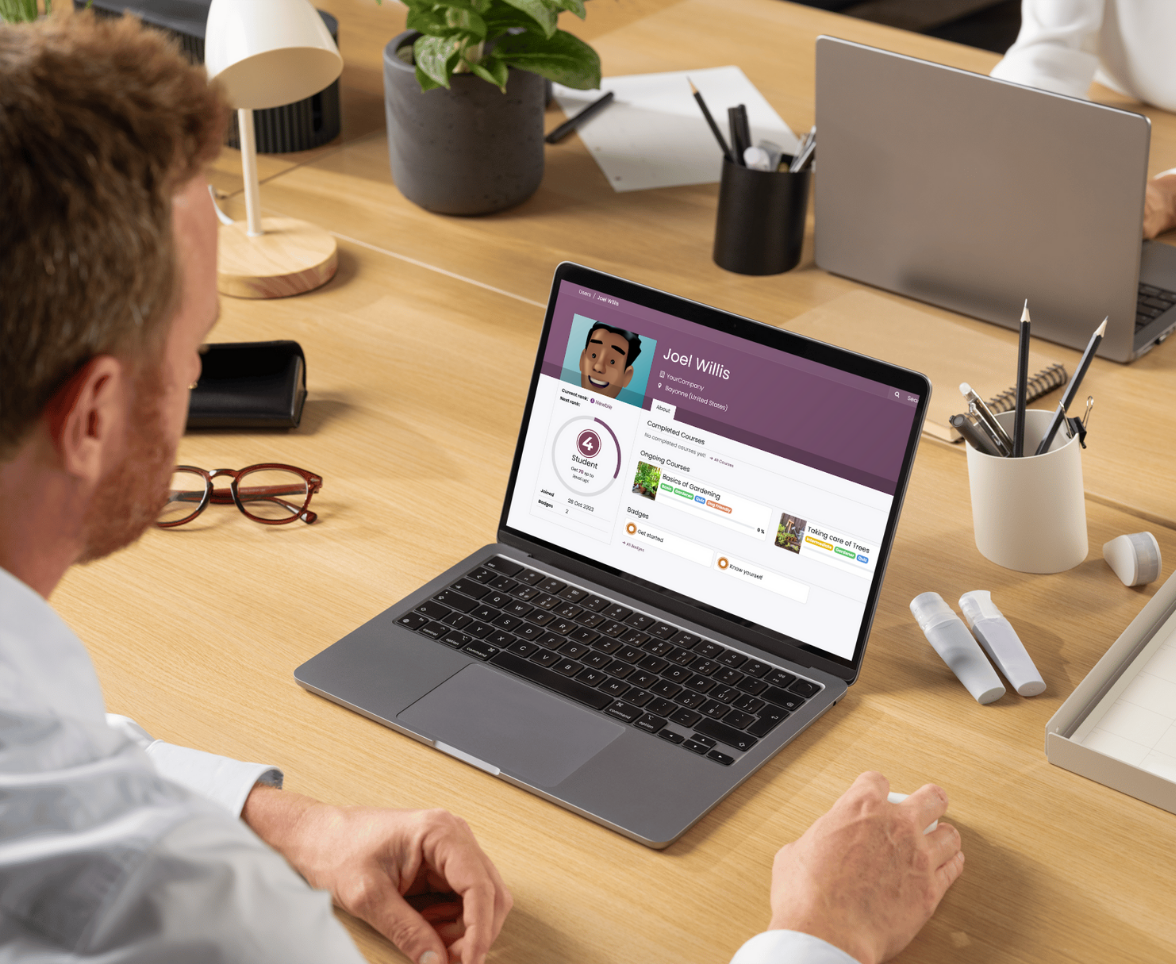
We configured the platform with course categories, progress tracking, quizzes and completion certificates to support consistent learning and accountability.
4.- Enabling Access and Adoption.
Employees were onboarded into the platform with simple login flows and mobile-friendly access, ensuring training could be completed during shifts or remotely.
Solutions Deliverables
The E-learning implementation resulted in structured, scalable training ecosystem tailored to the company's operational needs. Key deliverables included:
Standarized Training Content.
Clear, step-by-step guides and process documentation were created for Sales, Inventory Management and POS operations - establishing the company's first unified knowledge base.
Role-Based Learning Paths.
Courses were organized into structured modeules aligned with employee responsibilities, ensuring each role received relevant and consistent training.
E-Learning PLatform Configuration.
The platform was set up with courses categories, quizzes, progress tracking and completion certificates to support accountability and measurable learning outcomes.
Employee Access & Onboarding Setup.
User accounts, permissions and access flows were configured to allow employees to complete training from any store or device, supporting flexible learning.
Business Results
The E-Learning platform delivered clear improvements in how the company trains and develops its retail workforce.
Centralized Training Ecosystem.
All learning materials - guides, manuals and process documentation - now live in one structured platform platform accessible to every employee.
Standarized Learning Across Departments.
Sales, Inventory Management and POS teams now follow unified training paths, reducing operational inconsistencies across stores.
Faster and More Consistent Onboarding.
New hires can complete essential training indepedently, reducing reliance on verbal explanations and freeing manager's time.
Measurable Learning Progress.
Course completion tracking, quizzes and certificates provided visbility into employee performance and skill gaps.
Key Takeaways
This project reinforced key lessons about building scalable training systems:
Standardization Improves Consistency.
Unified guides and learning paths reduce variability across stores.
Documentation Is Essential.
Clear manuals became the foundation for relieable, repeatable training.
Centralization Boosts Accesibility.
A single platforms made training available to all employees, anytime.
Tracking Enables Better Decisions.
Progress data helped identify gaps and strengthen development efforts.
Outcomes & Impact
Closing Thoughts
GreenHive’s redesign turned it into a sustainable lifestyle platform, blending shopping convenience with impactful storytelling.
What started as a frustrating booking process is now a fast, clear, and trustworthy experience that sets the foundation for global expansion.